
Checking for a Warrant in Carroll County
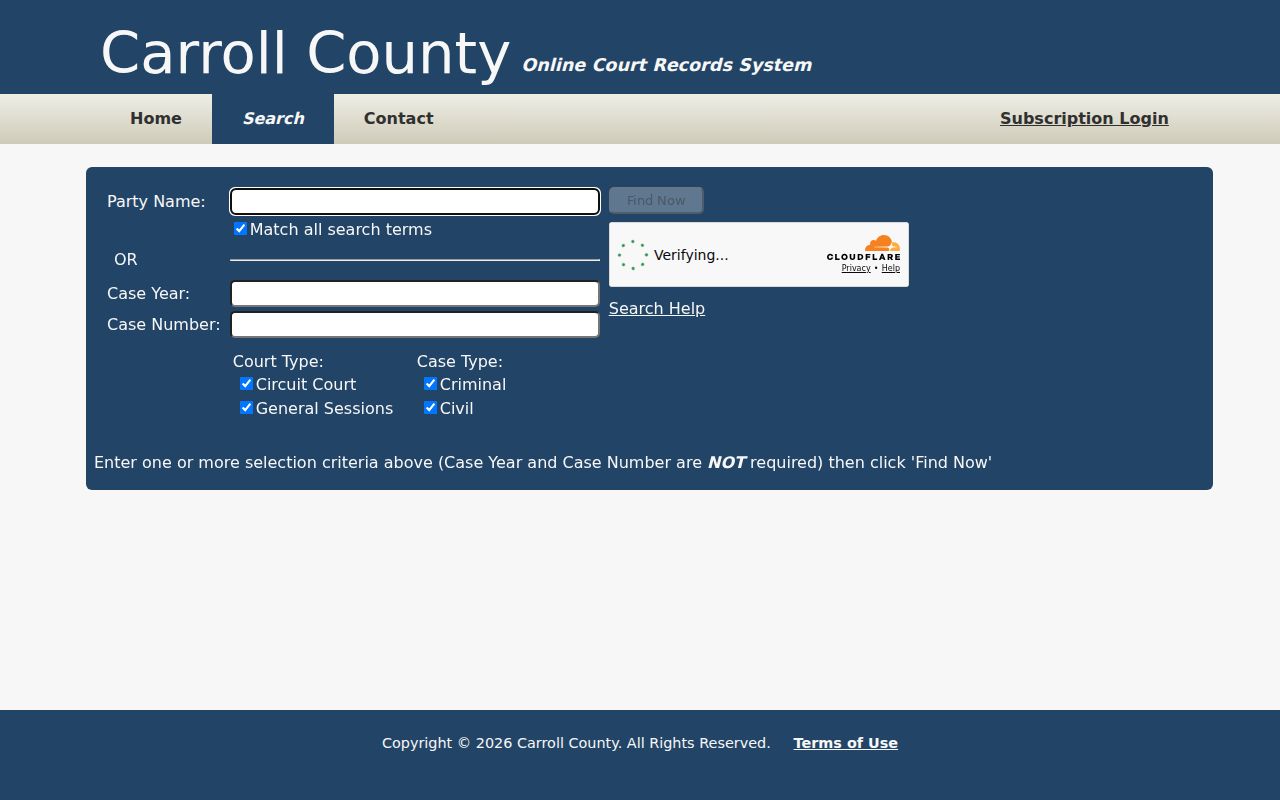
Begin with the official TNCRT case search. Pick Circuit Court or General Sessions, then Criminal. You can search by party name, year, or case number. Keep in mind it indexes court cases, not live warrants. Filters help. Names allow 100 characters, years take four digits, and case numbers cap at 50 characters. Court and case type are separate filters, and a verification challenge appears before any results display. The portal caps output at 2,500 records, so a known year or case number narrows a broad Carroll County warrant check fast. For current status, call the issuing court. City citations may sit with a municipal clerk, and federal cases stay outside TNCRT. Before you appear on an arrest or surrender question, talk to counsel and the sheriff in Carroll County.
- Choose Circuit Court or General Sessions and the criminal case type.
- Search with one clear name or case reference; narrow by year when known.
- Check with the municipal clerk if the citation came from a city.
- Call the clerk for court status and the sheriff for service or surrender logistics.
- Ask counsel about the lawful response before acting on a possible warrant.
Carroll County Search Is a Case Search
The portal takes a party name, case year, or case number, then offers filters for court type and case type. Search Help explains exact-phrase and approximate matching. Broad queries can still flood you with records. A four-digit year plus a known case reference keeps the set small. The official Tennessee Public Court Records System page lays out the participating-court context. Carroll County's interface has no active-warrant toggle, no service field, no bond field, and no recall date. A docket can show a warrant-related event yet stay silent on what the judge later ordered. That state page is the system's own description of which courts take part.
Carroll County Warrant Types
Carroll County dockets run through several distinct processes. An arrest warrant follows a criminal complaint. A summons just directs a person to appear. A bench warrant or capias can follow a missed setting or another court order. Traffic cases often start as citations. Probation-violation process stays separate from a new charge.
| Warrant Type | How It Arises | Who Issues It |
|---|---|---|
| Arrest warrant | Issued on a complaint under Tennessee Rule 4 | Judge or authorized court |
| Summons | Notice to appear rather than an arrest order | Issuing court |
| Bench warrant or capias | May follow a missed appearance or court order | Issuing judge |
| Probation process | Post-conviction supervision matter | Supervising court |
| Search warrant | Investigative authority, not an arrest lookup | Judge |
Carroll County Capias and Bench Labels
Carroll County's docket sample labels one entry "Warrant Bench" and lists "Failure to Appear" as a violation description. Local General Sessions rules say "capias" for that FTA-related process. Knowing the terms helps. They let you ask the clerk a precise question. They do not prove a warrant is still active. A capias, a bench warrant, a summons, and an arrest warrant each lead to different next steps. Ask which order sits in the file and which court issued it. A municipal clerk may hold a city ordinance or traffic matter. General Sessions handles county misdemeanor, traffic, initial-appearance, and bond work. Never assume paying a fine pulls back a capias. Get the court's instruction and a written record of any recall or appearance in Carroll County.
Inside a Carroll County Warrant Record
A Carroll County case file can show its court, reference, charge, hearing type, violation date, and docket history. The sample docket adds officer, attorney, count, and session. "Warrant Bench" is just a label. It signals nothing about live service or recall status.
| Case reference | Use the court and year shown in the file; no single warrant-number format was located. |
|---|---|
| Court and case type | Circuit Court or General Sessions, with criminal or civil category. |
| Charge and count | The docket's stated offense and count; read the court entry itself. |
| Hearing or violation | May show a session, hearing type, date, or failure-to-appear label. |
| Officer and attorney | Schema fields in the sample; do not republish private names. |
| Current status | Not established by the search result alone; confirm with the issuing clerk. |
The sample reference 99GS1-2023-CR-12345 is illustrative, not a live case or universal warrant format. Use the number on your own court paper. The docket carries no service, active-status, bond, or recall field. Read events in date order. Then ask the clerk about the latest entry and any required appearance or filing in Carroll County.
Carroll County Court Search Limits
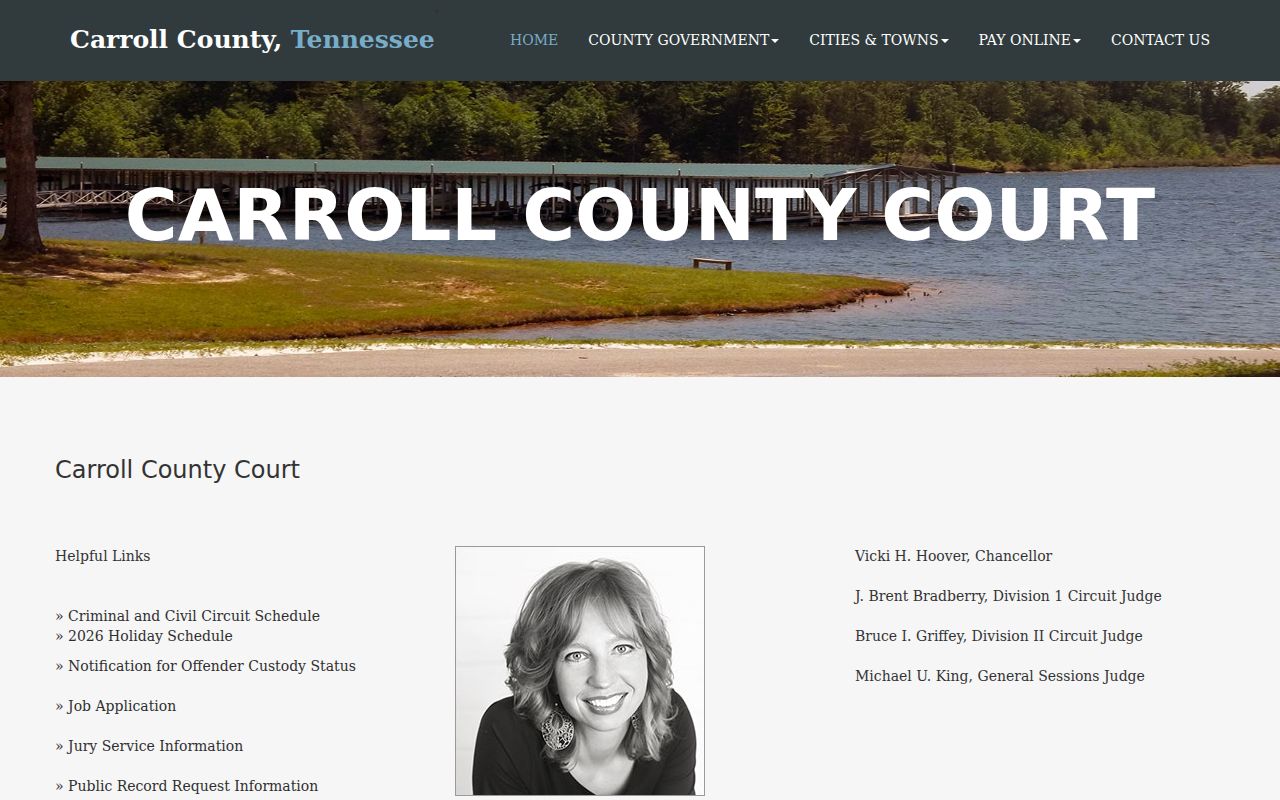
The Carroll County TNCRT portal caps results at 2,500. It covers only participating courts. The help text suggests a clean name or case reference. Typos bite. Court filters, older files, and protected records also shape what appears, and the portal posts no public update schedule. A hit may show an earlier warrant event even after service, recall, or another order. A miss can mean the matter is municipal, federal, sealed, juvenile, new, or outside the court you picked. Neither result answers current status. Confirm the file with the Circuit Court Clerk or the clerk for the court shown. The county's court page lists separate criminal and General Sessions contacts.
Issuing and Serving Warrants in Carroll County
Judges issue court process. Clerks keep the file. Law enforcement serves the warrants. Circuit and Criminal Court matters and General Sessions criminal records all route through the Carroll County Circuit Court Clerk's office. The sheriff is the public enforcement contact, and that office runs no separate warrant unit, warrant email, or warrant-specific walk-in desk. Keep record questions apart from service or surrender questions. The county lists these public channels:
Carroll County Warrant Routes by Court
For county criminal and General Sessions records, contact the Circuit Court Clerk at 99 Court Square in Huntingdon. The Clerk & Master handles Chancery, not routine criminal warrants. City and federal matters belong to their own courts. The issuing clerk confirms docket action. The sheriff routes county service or surrender. No office can clear another office's record. The Tennessee court listing for Carroll County shows the court address on the state's own directory.
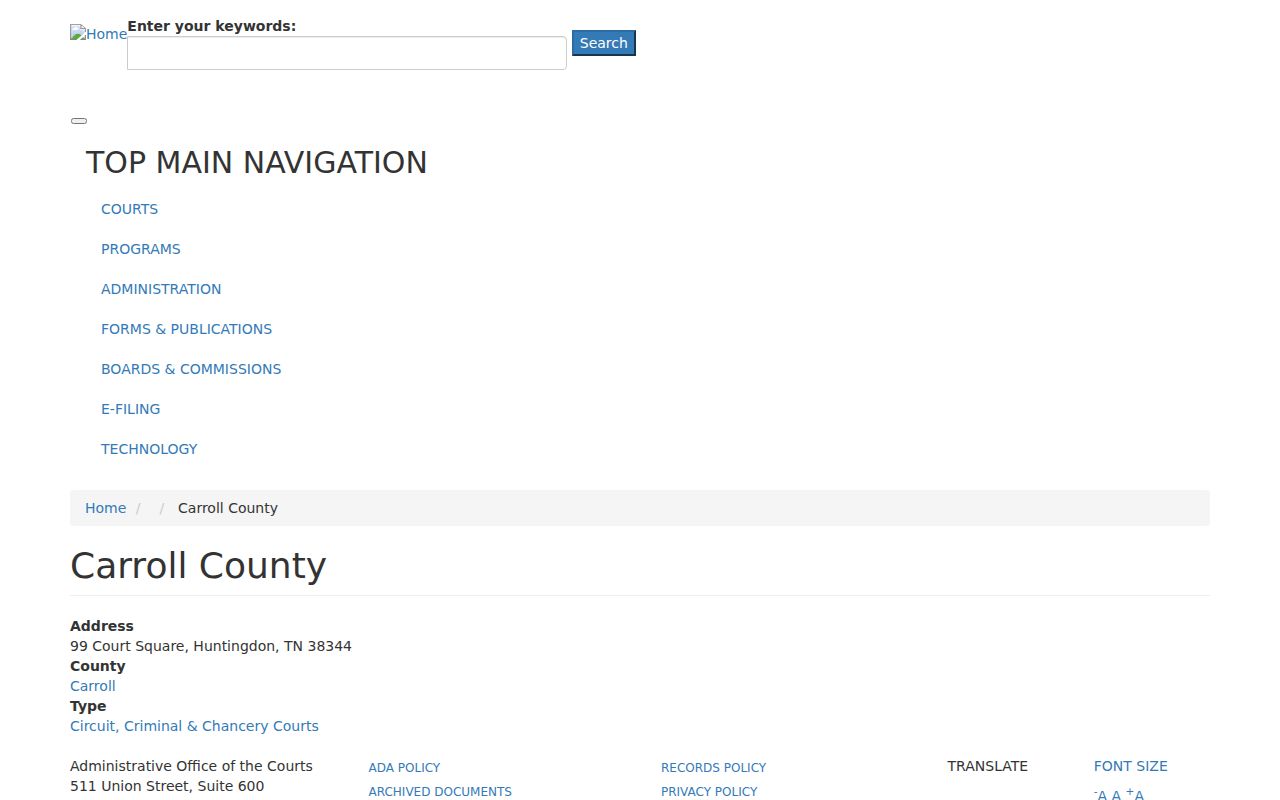
General Sessions criminal sessions generally run Wednesday, with traffic at 8:30 a.m. and trial dockets at 9 a.m. and 1 p.m. Huntingdon Municipal Court meets separately, Monday at 4 p.m. Check the caption before trusting a calendar. The Carroll County Circuit Court page lists the clerk's office, court contacts, and the case-search link.
Know which office holds the file in Carroll County: Circuit Clerk 731-986-1932, criminal clerk 731-986-1927, or General Sessions criminal clerk 731-986-1926. The Sheriff's Office, 731-986-8947, handles enforcement routing.
If You Have a Warrant in Carroll County
Start by naming the court and the type of order. If the case is criminal, talk to an attorney before you choose to appear, file a motion, or arrange surrender. Ask the clerk what the court expects. It may want an appearance, a waiver, a reset request, or a motion to recall or quash. Carroll County publishes no universal bond schedule, walk-in process, or warrant-resolution fee. Bond amounts and payment methods must come from the issuing court or sheriff. CourtFeePay handles case payments. Paying alone does not prove a warrant was recalled.
Important: If arrest is a concern, contact counsel and the issuing office before appearing; county sources publish no universal surrender or release procedure.
Carroll County Warrant Resolution Steps
Local rules set the calendar rhythm in Carroll County General Sessions. Criminal sessions generally run on Wednesday. Traffic citations start at 8:30 a.m., with trial dockets at 9 a.m. and 1 p.m. A criminal warrant that reaches the clerk by Tuesday at 10 a.m. is prepared for the Wednesday initial-appearance cycle. The late-arrest rule applies. Represented defendants may file a waiver of initial appearance and notice of appearance, if the local rules are met. A late or incomplete filing can bring a capias. Check with the clerk or counsel before relying on any calendar or deadline. The county's General Sessions local rules spell out the process, and Carroll County runs no countywide amnesty or warrant-clearing week.
Carroll County Warrant Records and Public Access
Requests here fall under the Tennessee Public Records Act, while Rule 34 governs court-file access with exceptions for sealed and protected records. Juvenile and dependency files face extra confidentiality limits. Neither law creates a statewide active-warrant database. On the Carroll County form, give the court, record type, date range, and case reference. Fees run $0.50 per page plus $5 for certification, with prepayment for inspection or copies; confirm current fees at 731-986-1929. A copy request does not certify current warrant status.
Access rules:
Tennessee Code § 10-7-503 gives Tennessee citizens access to qualifying public records, with statutory exceptions.
Tennessee Supreme Court Rule 34 governs public access to court records, including the sealing boundary.
Rule 114 restricts access to juvenile and dependency matters; do not treat them as ordinary public warrant files.
Carroll County Has No Warrant Roster
Carroll County's government, courts, and sheriff publish no active-warrant roster, most-wanted list, app, warrant form, or amnesty event. That absence proves nothing about whether a warrant exists. Confirm through the court file and the issuing office. For surrender or enforcement routing, use official county contacts, and remember the Sheriff's general number is no promise of a phone status check.
Carroll County City Warrant Routes
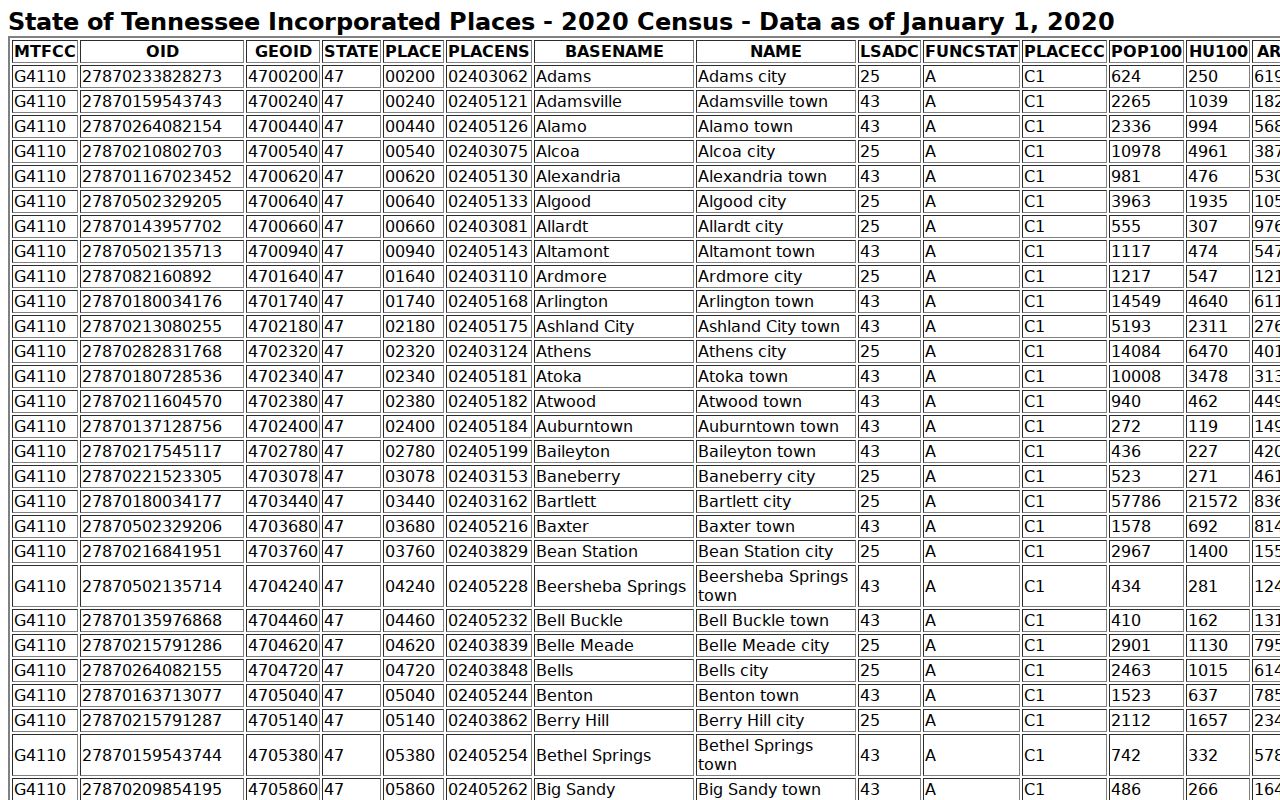
City ordinance and traffic files in Carroll County may sit with their own clerks. McKenzie spans a county boundary. Huntingdon's town court is separate from the county courts. For county process, start with the Carroll County warrant lookup and confirm the issuing court. The official Census Bureau Tennessee incorporated-place table supplies the 2020 population figures. Those figures set the order of these city pages, not warrant volume.
Carroll County Warrants by City
In Carroll County, city traffic and ordinance matters go to local clerks, while criminal files stay with the county. McKenzie publishes citation instructions. Huntingdon holds a Monday session at 4 p.m., and Bruceton lists a police secretary and court clerk. Schedules and payment routes differ by city. To reach them: McKenzie 731-352-2292, Huntingdon 731-986-2906, Bruceton 731-586-7311, Atwood 731-662-7689, and Trezevant 731-669-4831. Atwood's current court status is unclear. Trezevant's address details differ, so call before visiting. Give the city and case number when you ask where a docket sits.
McKenzie Warrant Search
5,529 residents in the 2020 Census · city court and public-safety route
Huntingdon Warrant Search
4,439 residents in the 2020 Census · town court and county-seat courts
Bruceton Warrant Search
1,507 residents in the 2020 Census · police secretary and court clerk
Atwood Warrant Search
940 residents in the 2020 Census · recorder confirms current court status
Trezevant Warrant Search
799 residents in the 2020 Census · recorder and court-clerk route